Bayer Says “No Plans” to Unleash GMOs on Europe
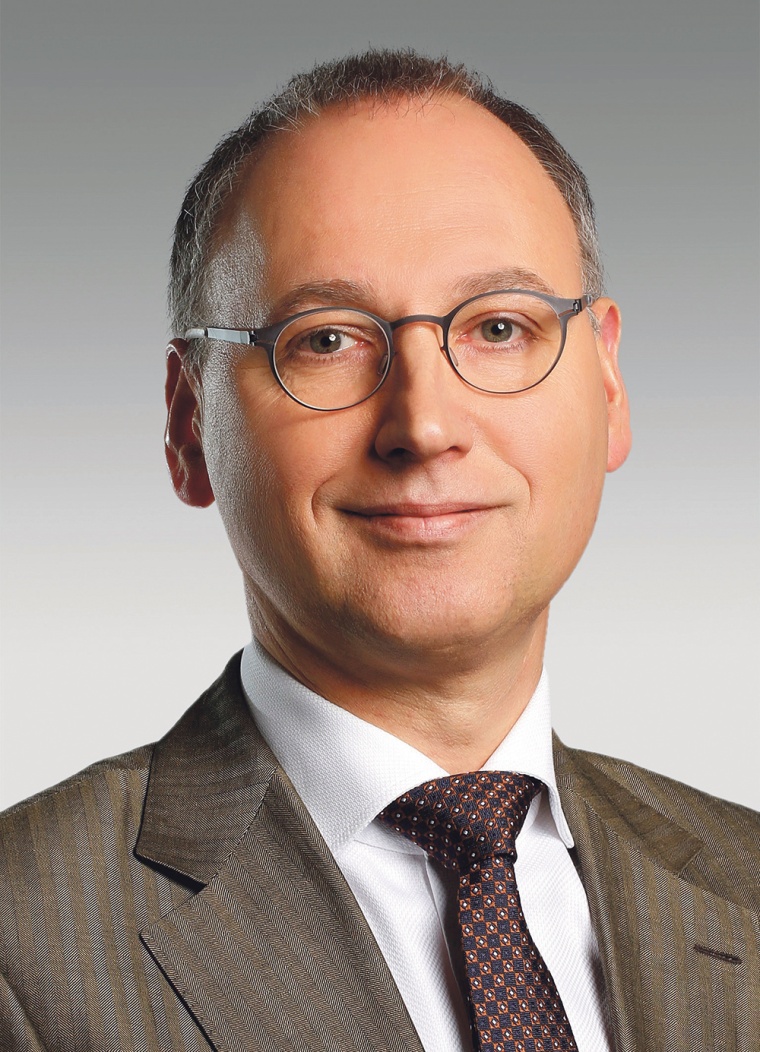
After absorbing Monsanto, which it has agreed to acquire for $66 billion, Bayer has no plans to force the US group’s GMO seeds portfolio on European farmers or consumers, its CEO said in an interview with the Munich newspaper Süddeutsche Zeitung. “We aren't taking over Monsanto to establish genetically modified plants in Europe, Werner Baumann told the newspaper, insisting that it’s “not the plan” to use Bayer’s good reputation to impose GM plants on Europe.
“Some people think it might be easier for us than for Monsanto, given the reputation we enjoy,” Baumann said, while remarking: “If politics and society in Europe don't want genetically modified seeds, then we accept that, even if we are of a different opinion.” Based on decades of experience with GMO crops in the US, there are no “justifiable reasons to be skeptical” about their impact on the environment and health safety, he said.
Many of the Monsanto-made genetically engineered products are eyed critically, and not only in Europe, environmental and health advocates note. Last year, the World Health Organization’s International Agency for Research on Cancer (IARC) called glyphosate, the active ingredient in the US producer’s Roundup Ready herbicide, as “probably carcinogenic to humans.”
In June, the European Commission temporarily extended the EU registration of glyphosate for 18 months, until the end of 2017, after its Standing Committee on Plants, Animals, Food and Feed again failed to produce a qualified majority for a ban, as advocated by pressure groups. The choice was a compromise between an extension for 15 years as originally planned or seven years as proposed by the European Parliament.
Not making a decision would have allowed the registration to lapse and potentially trigger lawsuits, the Commission said. Shortly before the EU was set to act, the United Nations’ Food and Agriculture Organization (FAO) and the World Health Organization (WHO) in a joint statement said the herbicide ingredient is “unlikely to pose a carcinogenic risk to humans” exposed to it through food. The FAO/WHO panel said its conclusions did not contradict the findings of IARC, but were complementary. While IARC focused on the hazards of glyphosate, its review looked at exposure risk.