BASF To Spend €1 Billion On German TDI Plant For Foams
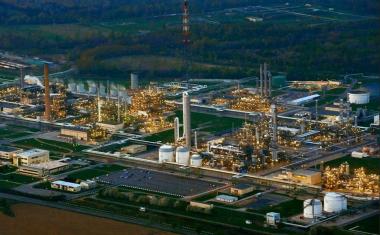
BASF plans to invest €1 billion at its German headquarters to boost its polyurethane foam chemicals capacity, expecting long-term growth in demand from makers of cars and furniture.
The world's largest chemicals company said on Tuesday it would build a plant with an annual capacity of 300,000 tonnes of toluene di-isocyanate (TDI), a precursor chemical for producing the plastic foams that go into car seats, cushions and sports shoes.
The facility will replace an 80,000 tons-a-year plant in Schwarzheide, Germany, which will be shut down, leaving a net capacity boost of 220,000 tons.
"This is one of our biggest investments ever in Ludwigshafen," a BASF spokesman told Reuters.
BASF had said in May of last year it was planning to make the investment either at its Ludwigshafen headquarters or at its second-largest European site in Antwerp, Belgium.
The move bucks a trend of the European chemical industry to limit output-boosting investments largely to sites in Asia and other emerging markets over the past decade.
The German company in November said it wanted to look beyond current market uncertainties, raising its 2020 group sales target a quarter to €115 billion, banking on population growth in emerging markets to drive demand.
Its third-quarter earnings beat forecasts but it warned at the time that growth was slowing as customers run down inventories.