BASF Taps Asian Researchers to Boost Growth in Region
BASF will go on a hiring spree among chemicals and materials researchers in the Asia Pacific region as it aims to double sales to customers there by 2020.
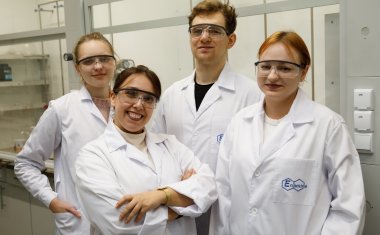
The world's largest chemicals maker by sales plans to have around one quarter of its global research and development (R&D) activities in Asia and it will increase R&D personnel in the region to 3,500, up from around 800 in 2012, it said on Tuesday.
BASF, whose products include lightweight plastic parts for cars and insulation foams, expects €25 billion ($32.6 billion) in sales in Asia by 2020, up from 12.5 billion last year, it said.
"In the next decade, Asia Pacific will face huge challenges while remaining the fastest growing market for the chemical industry," said Martin Brudermueller, executive board member in charge of Asia.
The German group has a current global R&D headcount of 10,500.
It is looking to set up a second research hub in the Asia Pacific region, having inaugurated its "Innovation Campus Asia Pacific" in Shanghai last year.
It had previously aimed for half of its R&D to take place outside of Europe by 2020, up from 27% in 2012.
Until 2020, BASF intends to grow profitably at least two percentage points above regional chemical production, which it expects to increase by 6.2% per year on average.