BASF Starts Polyarylsulfone Plant in Korea
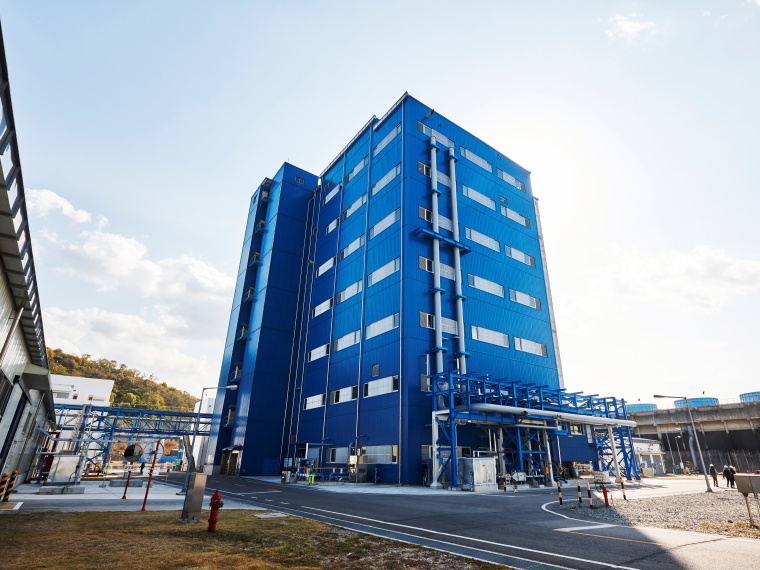
BASF has started up a new 6,000 t/y production line for its high-temperature resistant plastic polyarylsulfone – part of its range of polyethersulfone products – at Yeosu, Korea.
With the start-up, the German group’s capacity for the polymer sold under the Ultrason brand name will increase to 12,000 t/y in Korea and 24,000 t/y altogether. The Yeosu facility went on stream in in 2014.
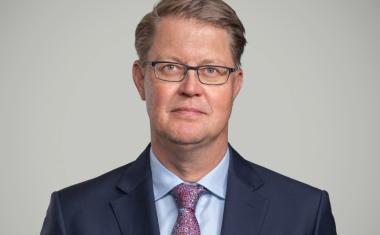
Giorgio Greening, head of BASF’s global business unit Styrenic Foams and Specialty Polymers, said the capacity expansion strengthens the producer’s competitive position and drives the global versatility of its polyarylsulfone business, while supporting its customers’ growth at a high technical level.
The BASF polyethersulfone portfolio includes polyethersulfone (Ultrason E), polysulfone (Ultrason S), and polyphenylsulfone (Ultrason P). Its newest product is the optimized Ultrason Dimension, a highly filled polyethersulfone.
Along with Yeosu, BASF also produces Ultrason at its headquarters site in Ludwigshafen, Germany. Both locations can turn out the entire product range. The group said the polymer is the ideal material for filter membranes used in desalination and purification in water treatment.
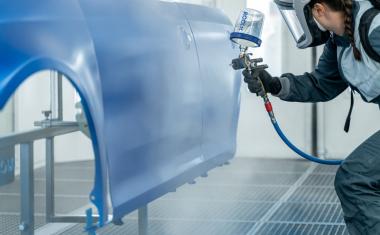
Due their chemical stability and heat resistance, polyarylsulfone products are also used in the electronics, automotive and aerospace industries for production of lightweight components as well as in carbon fiber composite materials.