BASF and Thyssenkrupp in JDA for STAR Process
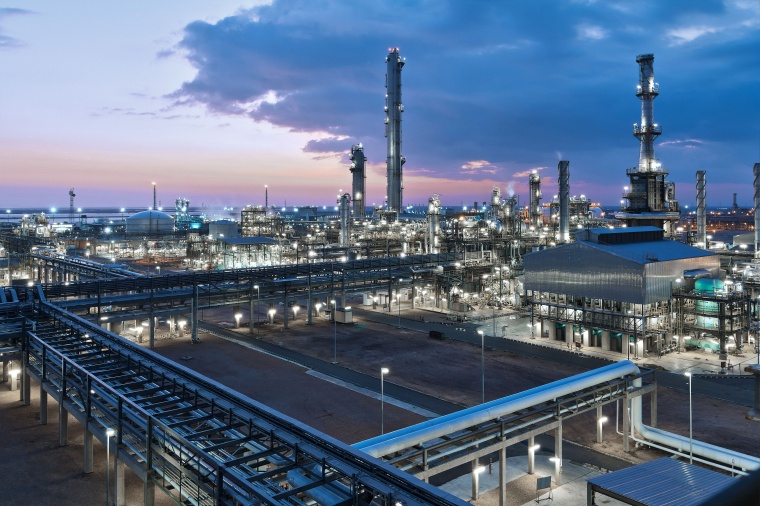
BASF and Thyssenkrupp have signed a joint development agreement to expand their cooperation on the Thyssenkrupp’s Steam Active Reforming (STAR process). The engineering group’s proprietary dehydrogenation process is used to produce propylene from propane feedstocks or iso-butylene from iso-butane feedstocks, using an exceptionally stable catalyst.
With Thyssenkrupp focusing on process development and BASF on catalyst development, the two German industrial giants said the aim is to “significantly increase” the resource and energy efficiency of the reforming process for plant operators.
Targeted improvements in catalyst and plant design should result in less feedstock consumption and reduced investment and operating costs as well lower CO2 emissions, the partners believe. Changes could include new catalyst shapes and a smaller reformer design, which in turn could lower the investment costs of propylene dehydrogenation plants, Thyssenkrupp said.
“This project is a good example of how technology development can be accelerated through cross-sector collaboration,” said Adrian Steinmetz, vice president Global Chemical Catalysts & Adsorbents at BASF. Toward the goal of reducing the cost of the catalyst, feedstock and energy consumption, as well as lowering the CO2 footprint, he said the companies will specifically address topics such as reducing precious metal content.