Automakers Face Paint Shortage After Japan Quake
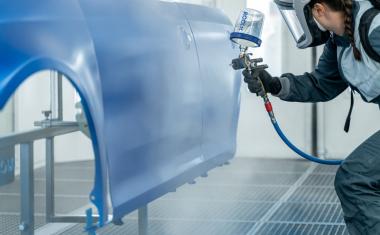
The shortage of a specialty pigment that gives cars a glittering shine has prompted automakers to temporarily restrict orders on vehicles in certain shades of black, red and other colors.
Major automakers, including Chrysler Group, Toyota Motor, General Motors and Ford Motor use the pigment, called Xirallic, produced at only one factory in the world - the Onahama plant near the Fukushima-Daiichi nuclear power station in Japan.
The plant is operated by German chemical company Merck KGaA, and has been evacuated. Merck spokesman Gangolf Schrimpf said the company does not know when it will be permitted to reopen the plant, which was closed soon after the March 11 earthquake.
Chrysler told dealers it was restricting orders on vehicles in 10 colors, including two variations of black and three of red. Ford is slowing production of vehicles in "tuxedo black" and three variations of red.
Chrysler spokeswoman Katie Hepler called it a "precautionary measure" and said the company did not expect any effect on production at this time.
"We anticipate that we currently have an adequate ... supply to meet existing customer orders," Hepler said in a statement. She said other colors being restricted were Bronze Star, Rugged Brown, Hunter Green, Ivory and Billet Silver.
Ford dealers will not be able to order black Expeditions, Navigators, F-150 pickup trucks and its Super Duty pickup, Ford spokesman Todd Nissen said.
He said Ford was exploring other materials that could produce the same shiny effect as Xirallic. Ford is also working with Merck to see if the pigment can be produced elsewhere.
Merck's Schrimpf said it would be difficult to transfer production to another plant. After repairs, it will take between four and eight weeks to resume production, he said.
Toyota spokesman Mike Goss said the company uses the pigment, but as far as he knew it had not restricted orders.
The earthquake and ensuing tsunami and nuclear crisis have revealed flaws in "just-in-time" production, which involves keeping low quantities of parts and supplies on hand to avoid high costs. A shortage of parts from Japan has prompted automakers like GM to temporarily halt production at assembly plants in North America.
Toyota has suspended production at all of its 12 assembly plants in Japan at least through March 26. The company said it will slow some North American production.
Late on Friday, Honda Motor said its North American auto plants would continue normal production through April 1, but that there could be some "temporary interruptions" until parts supply issues were resolved.