

AstraZeneca and Daiichi Sankyo's Lung Cancer Drug Shows Promise, Shares Fall
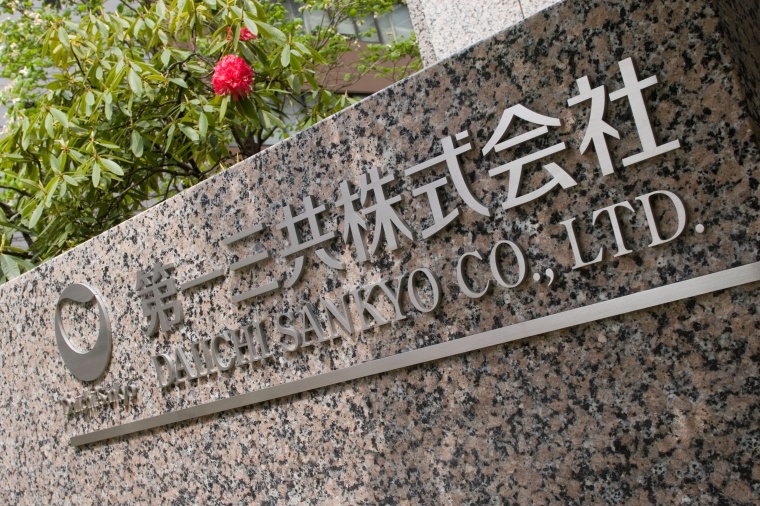
Results from AstraZeneca and Daiichi Sankyo’s datopotamab deruxtecan clinical trials were released this week. The antibody drug, also known as Dato-DXd, was developed in partnership between the two companies and aims to help patients with the most common lung cancer live longer without worsening their condition when compared to standard treatments. However, the announcement fell short of expectations, leading to a decline in AstraZeneca's shares.
The late-stage phase III trial displayed an improvement in progression-free survival when assessed against standard chemotherapy for patients with non-small cell lung cancer who had prior treatments. Despite this, investors expressed concerns with the effectiveness of the drug, as "clinically meaningful" results were absent from the report. This led to a drop of 8% in AstraZeneca's shares Jul. 3, the lowest they've seen since March and a drop of 4% in Daiichi Sankyo's shares.
Susan Galbraith, executive vice president, oncology R&D at AstraZeneca, said: “These first Phase III trial results from the datopotamab deruxtecan clinical program provide compelling evidence for the potential role this (antibody) can play in treating patients with lung cancer.” And Ken Taeshita, global head of oncology R&D at Daiichi Sankyo said that he "look(s) forward to the final overall survival analysis."
Dato-DXd plays a crucial role in both companies' pipelines, and while the results show promise, they don't quite hit the mark when it comes to investor expectations.






most read

VCI Welcomes US-EU Customs Deal
The German Chemical Industry Association (VCI) welcomes the fact that Ursula von der Leyen, President of the European Commission, and US President Donald Trump have averted the danger of a trade war for the time being.
CHEManager International Media Kit
Compelling solutions through strategic partnerships

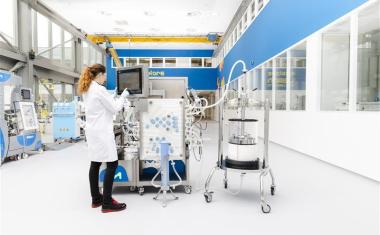
Merck Acquires Chromatography Business from JSR Life Sciences
Merck to acquire the chromatography business of JSR Life Sciences, a leading provider of CDMO services, preclinical and translational clinical research, and bioprocessing solutions.

Ratcliffe: Chemical Industry in Europe at a Tipping Point
Ineos CEO Ineos calls on European politicians to save the chemical industry.