How CDMOs are navigating uncertainty, forging partnerships, and embracing flexibility.
Christene Smith, Editor-in-Chief, CHEManager International
At this year’s CPhI in Frankfurt, one of the world’s largest pharmaceutical networking events, the conversations reflected an industry in transition. Global economic uncertainty, geopolitical tensions, and rapid scientific advances are reshaping pharmaceutical manufacturing and outsourcing. CDMOs (contract development and manufacturing organizations) are responding with strategies that prioritize resilience, collaboration, and innovation. Below, we explore the broader trends shaping the sector, with space for comments from leading organizations.
Adapting to Economic and Geopolitical Uncertainty
The pharmaceutical supply chain has faced unprecedented stress in recent years. Inflation, energy costs, and regional conflicts have added complexity to an already globalized network. Companies are rethinking sourcing strategies, investing in regional hubs, and embedding sustainability into operations.
Industry-wide, diversification is key. Many CDMOs are expanding footprints across multiple continents to reduce dependency on single regions. Sustainability initiatives—such as carbon reduction, energy efficiency, and green chemistry—are moving from optional to mandatory as regulators and investors demand accountability. At the same time, cost pressures are driving operational excellence and automation to maintain competitiveness.

“Look, we're currently in an environment I think, which is quite uncertain. But in times like these, what our customers are really looking for is speed, efficiency, and the most important thing: reliable supply. They want to make sure that the supply chains are robust, that they won't have any issues with that in the future. So, for us, it's about listening to our customers constantly and reacting quickly, making sure we deliver on our promises with speed and reliability, no matter how the market shifts” – Arul Ramadurai, Chief Commercial Officer, Axplora
The geopolitical landscape is also influencing procurement and logistics. Trade restrictions, fluctuating currencies, and regulatory fragmentation require agile planning. Companies are increasingly adopting dual-sourcing models and nearshoring strategies to mitigate risk. This trend is particularly strong in Europe, where energy volatility and supply chain fragility have accelerated investment in local capacity.

“The world is changing. I think it's moving from global supply to regional supply. Hovione is lucky in the fact that we are currently positioned on three continents with sites in Macau, Portugal, Ireland, and the US. Our recent $100 million investment in the US strengthens our position there—not as a reaction to political changes, but because we believe in the market and want to build for the future.” - Márcio Temtem, VP Strategic Business Management, Hovione
Strategic Partnerships: From Transactions to Collaboration
The outsourcing model is evolving. What was once a transactional relationship focused on cost and capacity is now a strategic alliance built on trust, exclusivity, and shared innovation. Pharma companies increasingly seek partners who can manage complex modalities, integrate digital tools, and co-develop solutions.
This shift is driven by scientific complexity—biologics, advanced therapies, and personalized medicine require specialized expertise and flexible infrastructure. CDMOs are responding by investing in end-to-end capabilities, harmonizing global standards, and creating innovation ecosystems that accelerate timelines and reduce risk.

“Big Pharma, they're looking for a kind of true strategic partnership that will cover specific areas for them. We're not overflow, we're literally their experts in the area, and they come to us.” – Philip Payne, Chief Commercial Officer, Symeres
“And many pharma companies, big pharma companies are doing much more than is actually needed. So, they're actually learning from us on how you can go to an IND in a very lean, cheap and efficient way.” - Goran Verspui, Head of Drug Development Services, Symeres
This shift is driven by scientific complexity—biologics, advanced therapies, and personalized medicine require specialized expertise and flexible infrastructure. CDMOs are responding by investing in end-to-end capabilities, harmonizing global standards, and creating innovation ecosystems that accelerate timelines and reduce risk.

“Clients are looking for collaborators who can grow with them, invest alongside them, and offer expertise across a wide range of capabilities. At BioVectra, we’re seeing a shift toward longer-term relationships, where we co-invest and tailor solutions to meet evolving needs—moving beyond traditional models to true partnership.” – Andrew Mitchell, Associate VP of Business Development, BioVectra
Partnerships now extend beyond manufacturing to include joint problem-solving, regulatory strategy, and sustainability planning. The most successful collaborations are those that combine technical excellence with cultural alignment, ensuring transparency and shared goals.
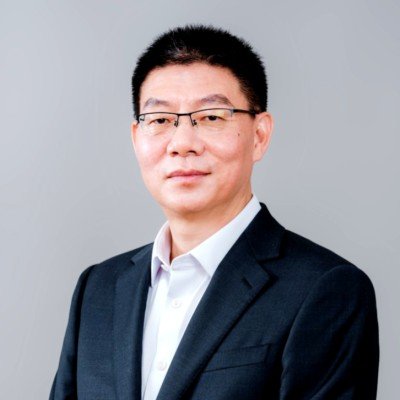
“Strategic partnerships between CDMOs and pharma are increasingly about co-developing innovative solutions. By investing in technologies like flow chemistry at large scale and advanced simulation of reactions, we’re able to offer greener, healthier processes tailored to each partner’s needs." - Minmin Yang, Chief Executive Officer, PharmaBlock
Flexible Manufacturing and Innovation: Building Agility
Agility is the new competitive advantage. Continuous manufacturing, modular facilities, and digitalized quality systems are becoming standard practice. Automation and AI-driven analytics enable real-time monitoring and predictive maintenance, reducing downtime and improving compliance.
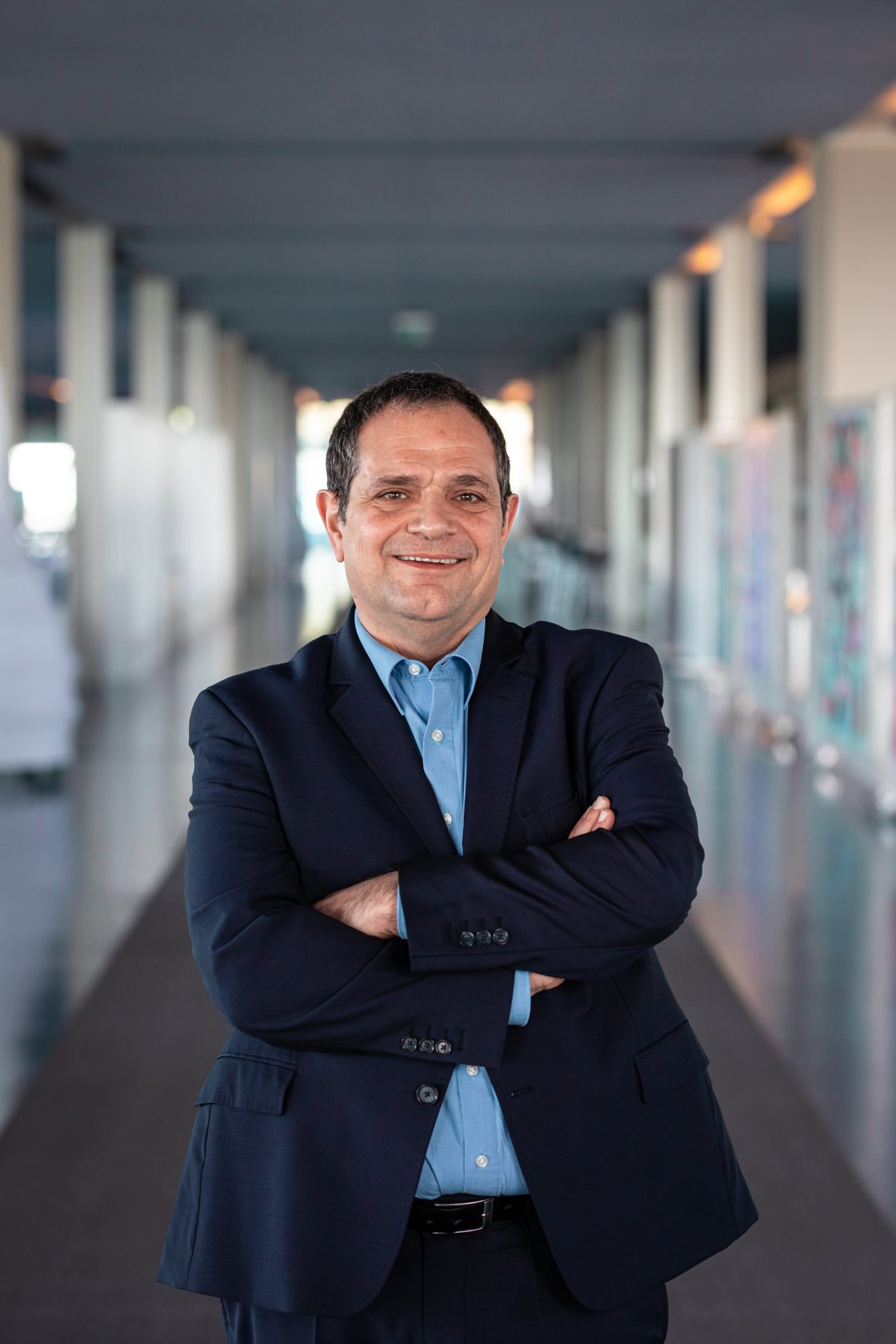
“Everyone strives to reduce the number of partners, so it’s essential to be agile and offer trusted, proven solutions—not just equipment or capacity. With continuous manufacturing and permanent development in both the EU and India, we give customers the flexibility to adapt their production processes and locations, supporting innovation and sustainability across our global network.” - Uwe Hanenberg, Head of Product Implementation, Recipharm
Flexibility also means being modality-agnostic—able to pivot between small molecules, biologics, and emerging therapies without major infrastructure changes. Sustainability is embedded here too, with green chemistry and waste reduction integrated into process design.
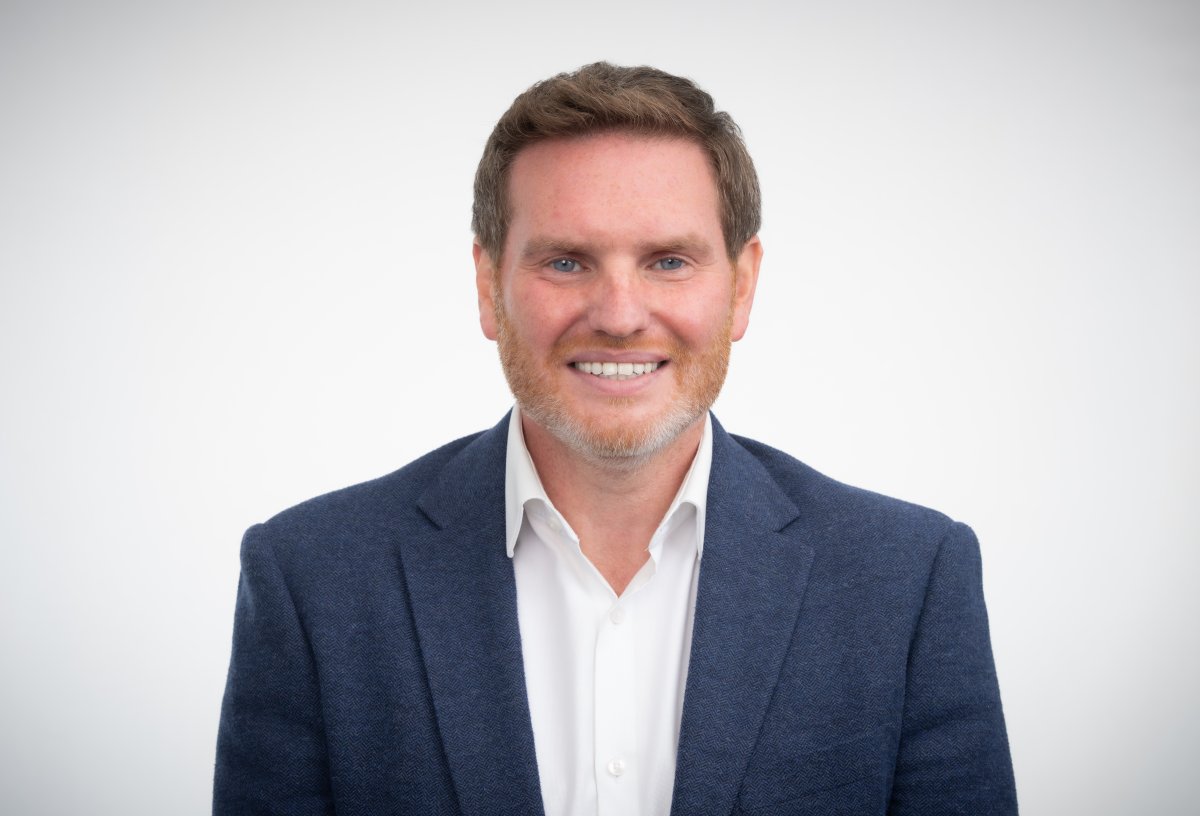
“We’re modality agnostic—our standardized facilities mean customers can be flexible with where production happens, adapting to their needs and supply chains. Whether it’s scaling up, scaling out, or continuous processing, our broad toolbox and facility planning allow partners to move production as needed, supporting both small biotechs and large pharma with unique solutions.” – Jonathan Haigh, Head of UK Sites, Fujifilm Biotechnologies
Digital transformation is accelerating this shift. Smart factories equipped with IoT sensors and integrated data platforms allow for predictive quality control and faster scale-up. AI-driven modeling is reducing development timelines and optimizing resource allocation. These technologies are not just improving efficiency—they are redefining what is possible in pharmaceutical manufacturing.
The Bigger Picture
Beyond individual strategies, the pharmaceutical manufacturing industry is aligning with global trends:
- Digital Transformation: Smart factories, AI-driven R&D, and integrated data platforms are redefining efficiency and compliance.
- Regulatory Evolution: Agencies are encouraging continuous manufacturing and digital quality systems to enhance resilience and reduce risk.
- Patient-Centric Models: Personalized medicine and accelerated delivery timelines demand unprecedented flexibility and collaboration.
- Sustainability Mandates: Environmental responsibility is now a competitive differentiator, not just a compliance checkbox.
These forces are converging to create an industry that is more collaborative, technologically advanced, and environmentally conscious than ever before. CDMOs are no longer just service providers—they are strategic partners shaping the future of healthcare.
Outlook
The insights from CPhI Frankfurt underscore a clear message: adaptability, partnership, and innovation are not optional—they are essential. As global challenges persist and scientific frontiers expand, the companies that thrive will be those that embrace agility and collaboration at every level. The pharmaceutical industry is entering an era defined by resilience and reinvention, and the conversations at CPhI show that the groundwork is already being laid.